
close

FACE TO FACE DELIVERY OVERVIEW

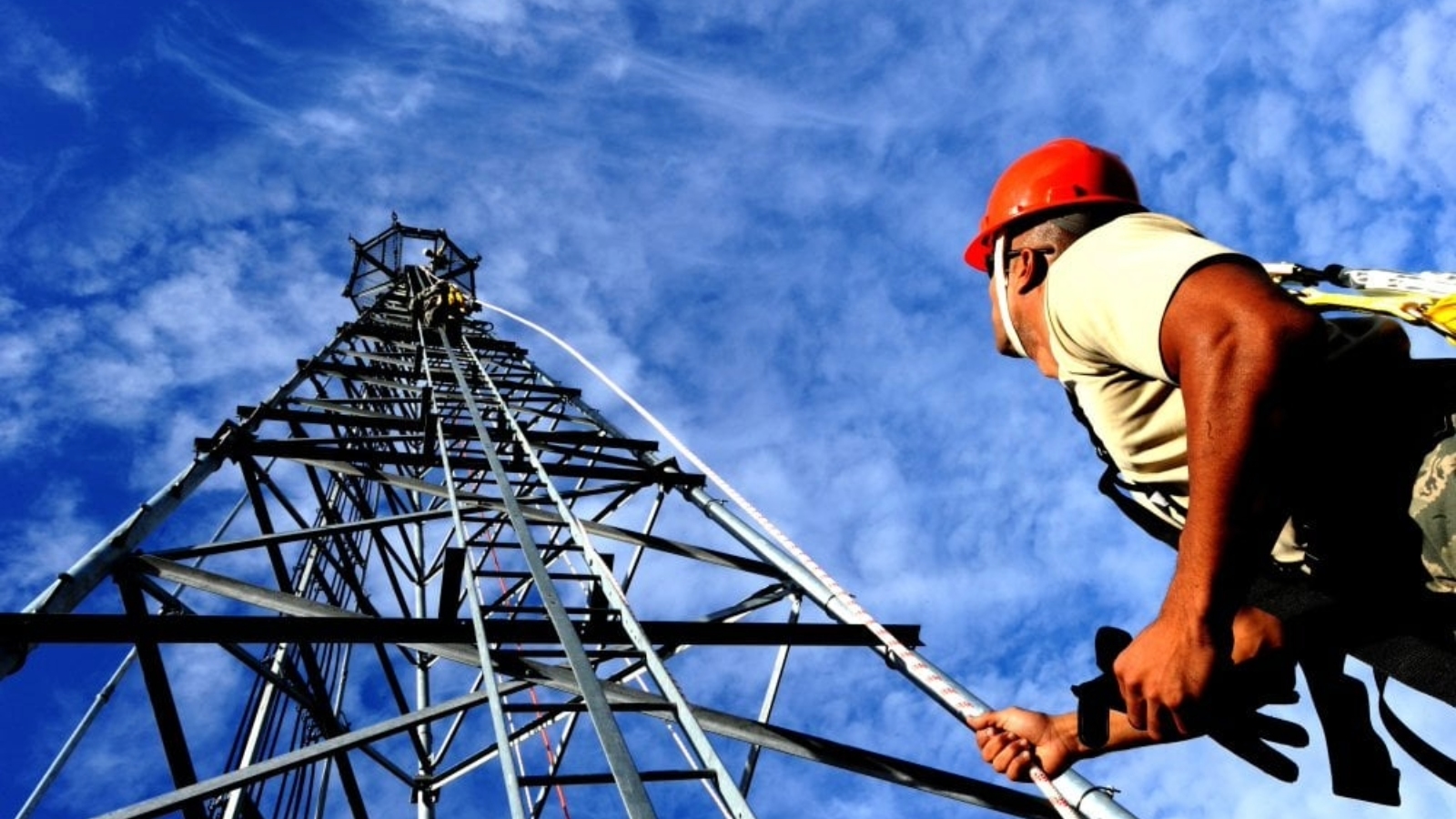
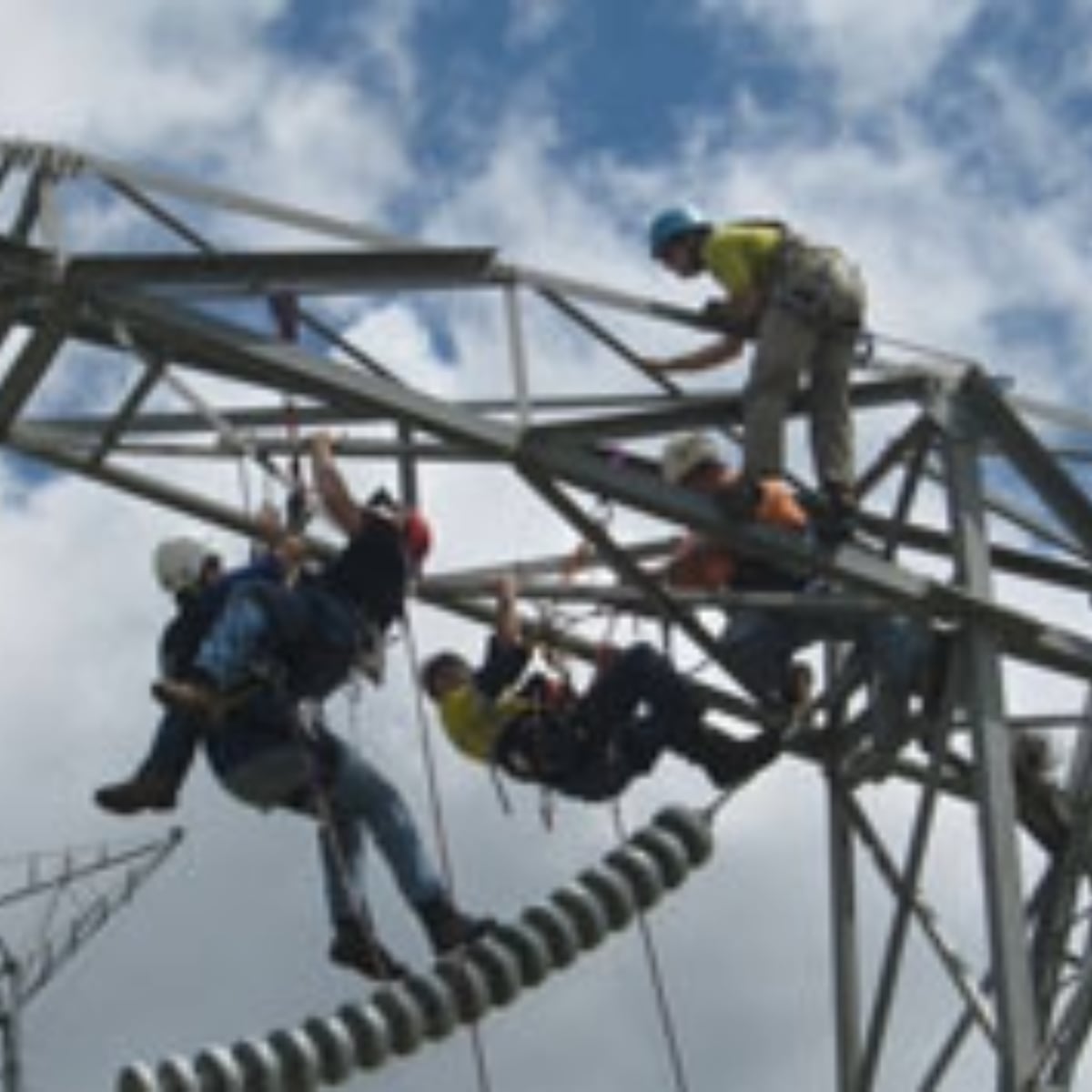
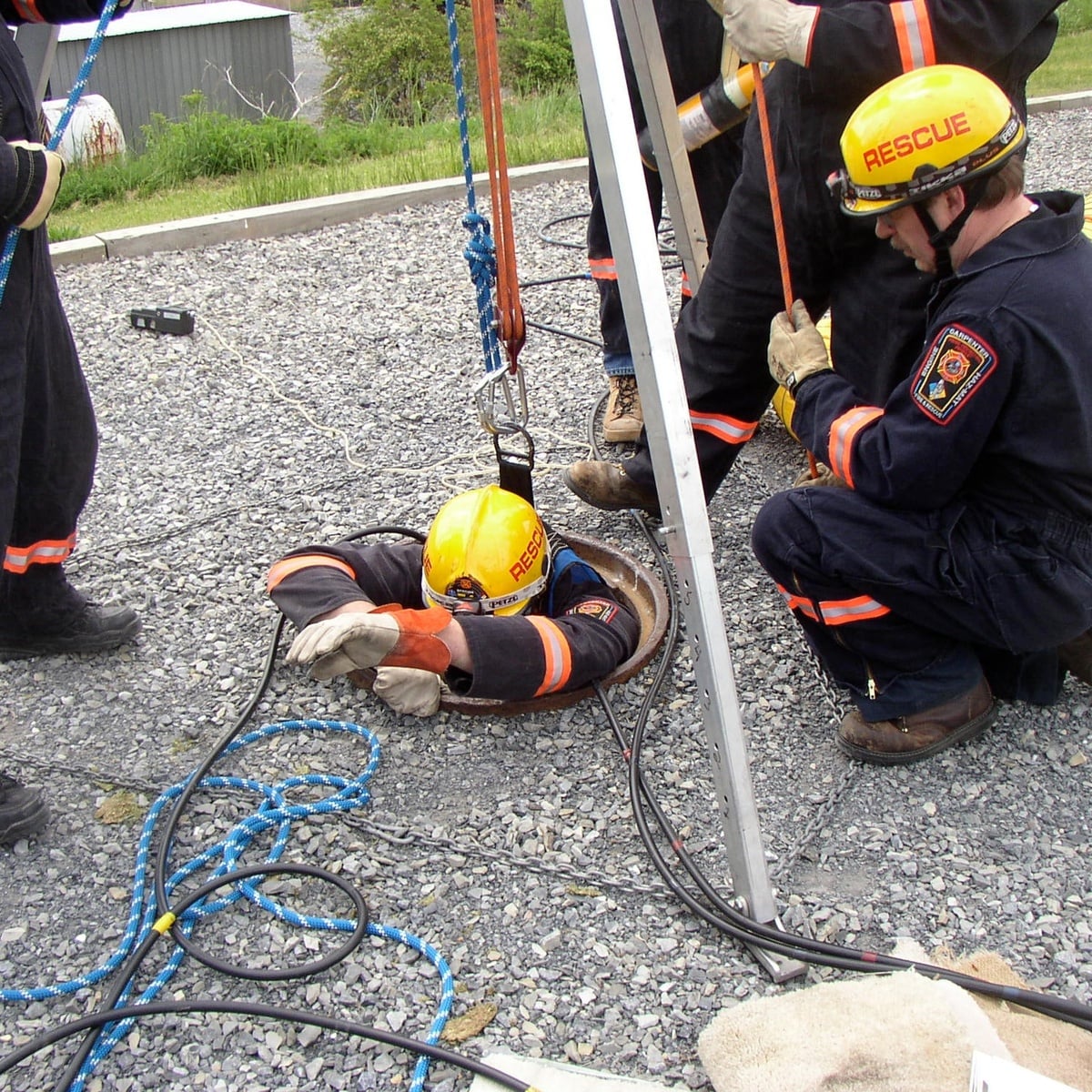
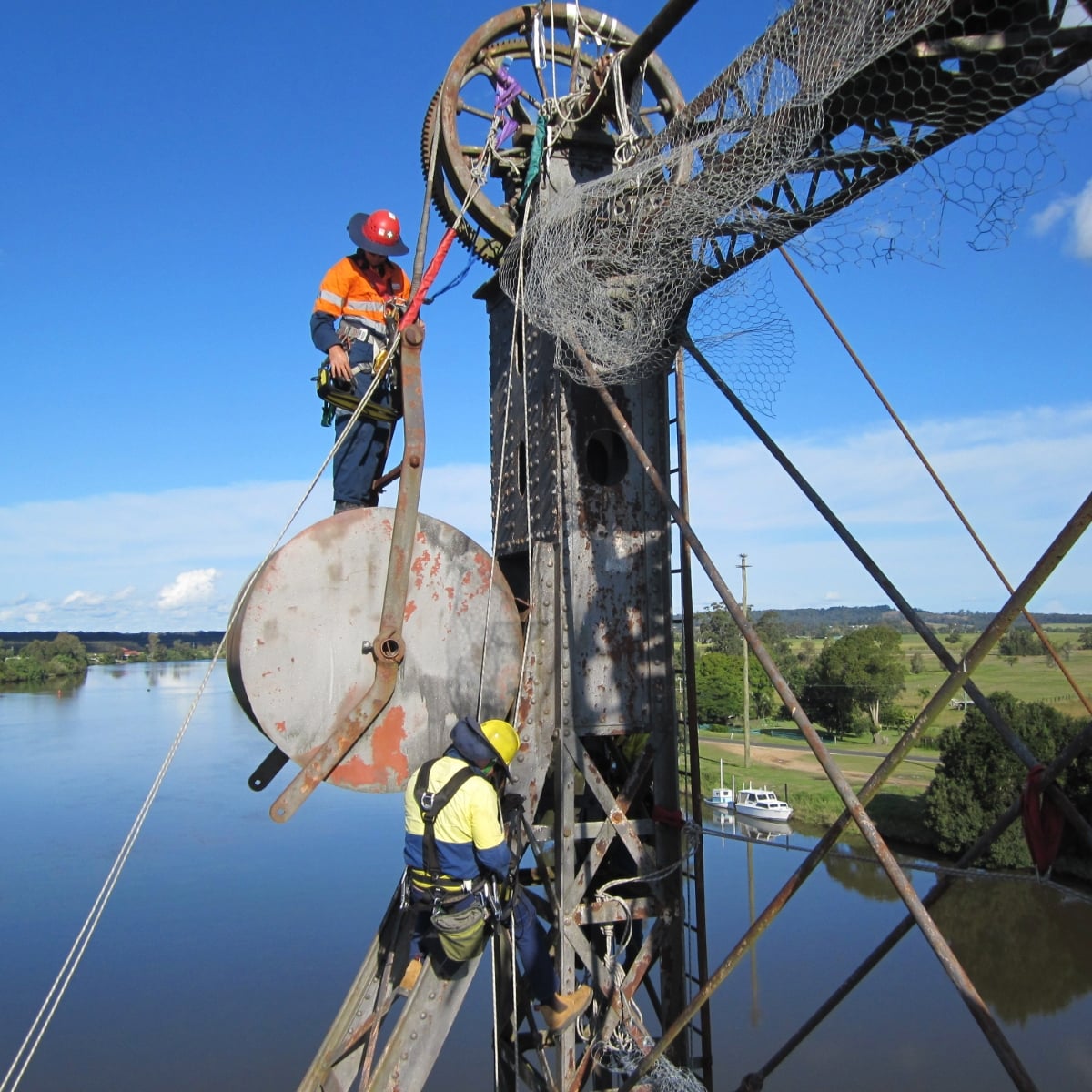
This Tower Climbing and Rescue course provides hands-on training for individuals who need to access, work on, and perform rescues from towers, poles, and similar structures. Ideal for those in telecommunications, energy transmission, and chair-lift operations, the course equips participants with the skills and knowledge to assess risks, climb safely, and respond to emergencies in elevated environments.

Delivered by experienced trainers, the course covers safe working at height and rigging practices in accordance with relevant legislation, regulations, and Australian Standards. Participants will learn to use ladder fall-arrest systems, work positioning and fall arrest systems, and double-hook lanyards. The course also includes the selection and maintenance of personal protective equipment (PPE), installation of secure anchorage, assessment of structure condition, and identification of safe climbing routes.

icon 2 Days
icon QLD, NSW, VIC, WA
icon No prerequisites
Tower climbing and rescue carousel image1
Detailed Information About this Course
Expand All
LEARNING OUTCOMES

Students who are deemed competent will receive a Statement of Attainment recognised under the Australian Qualifications Framework. This certification is nationally recognised. The Statement is issued by Pinnacle Safety and Training (RTO 40496). 

National units of competency

  • RIIWHS204E Work safely at heights 
  • ICTTCR203 Use safe rigging practices to climb and perform rescues on telecommunications network structures

ASSESSMENT INFORMATION

Assessment for this course consists of both theory and practical components to ensure participants are competent in tower climbing and rescue operations. The theory assessment covers key knowledge areas, including relevant legislation, Australian Standards, risk assessment processes, the health effects and management of electromagnetic radiation, equipment selection and limitations, and safe work methods for working at heights. 

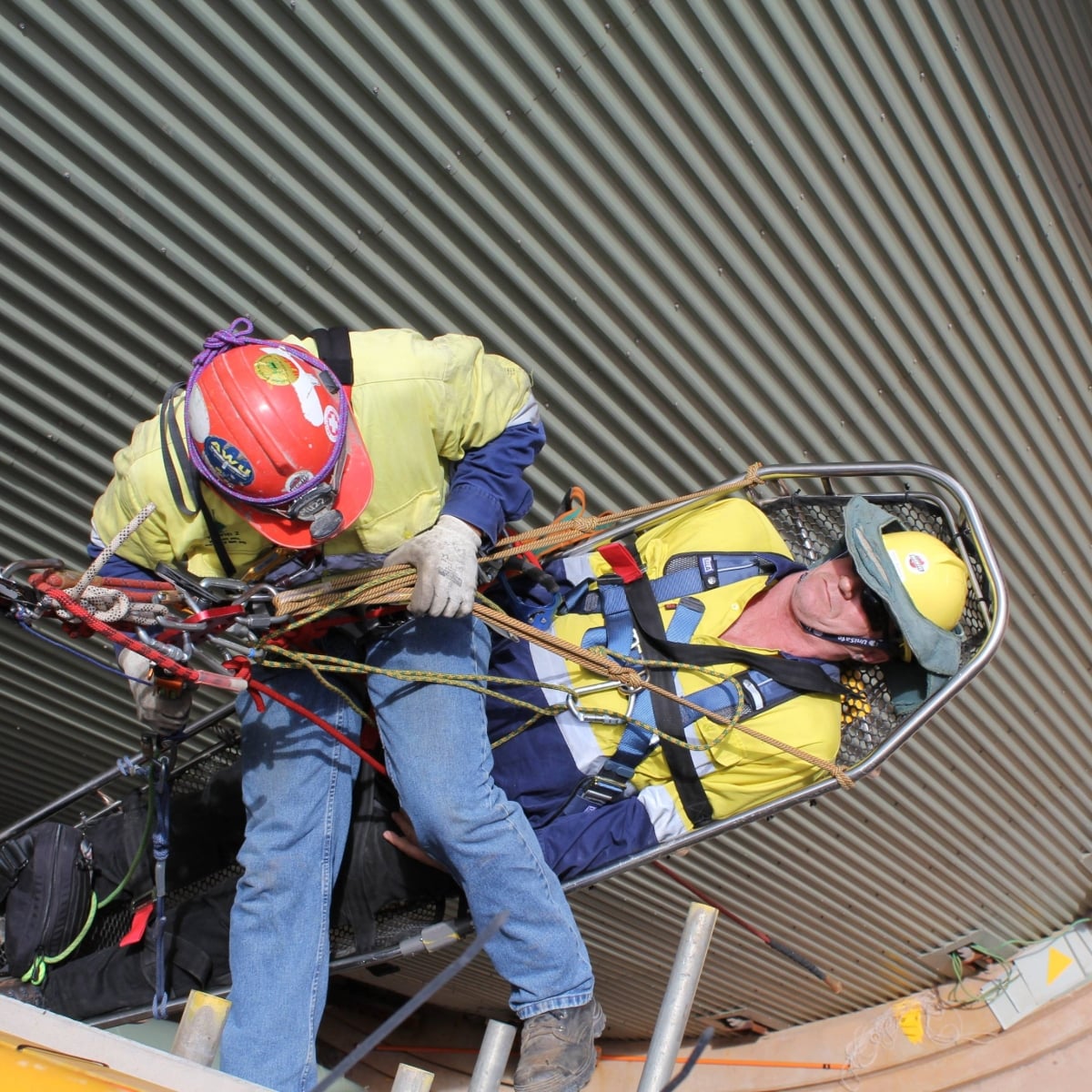
The practical assessment involves a series of supervised tasks conducted in a controlled training environment. Participants will be assessed on their ability to climb a tower using twin-hook lanyards and rig a rescue line. They will also be required to set up an abseil line, then demonstrate ascending with a rope grab and descending using a Petzl ID or equivalent device. Finally, participants will complete a team assessment in pairs, performing a pick-off rescue that requires the safe and coordinated retrieval of a suspended worker.

PREREQUISITES & ENTRY REQUIREMENTS

Age requirements

Participants must be at least 18 years of age. Due to course restrictions, enrolments will not be accepted from individuals under 18 years of age, even with parental or guardian consent. Refer to our FAQ for more information.

Language, Literacy and Numeracy skills (LLN)

Participants are required to have at least a Year 10 level of numeracy, literacy and communication skills and be able to read and write in English. 

Fitness

Participants must have a suitable level of physical fitness to safely and effectively complete this course. The training is physically demanding and involves realistic scenarios at height. Participants must be willing and able to ascend and descend ropes on towers and other elevated structures. Those who do not have the necessary strength and fitness to climb and manoeuvre independently will be unable to meet the competency requirements of this program.

RESOURCES

Pinnacle Safety and Training supplies all required learning materials and safety equipment for this course. We encourage you to bring along your own equipment. Please contact us to discuss your equipment requirements.

RECOGNITION OF PRIOR LEARNING (RPL) & CREDIT TRANSFERS

Recognition of Prior Learning 

Pinnacle Safety and Training does not offer Recognition of Prior Learning (RPL) for this course. Due to the duration and cost of this short course, RPL assessment would have limited value to participants. 

Credit Transfer 

Pinnacle Safety and Training offers Credit Transfers for this training product. A Credit Transfer is granted where the previously attained unit of competency has been achieved. After enrolment, participants are eligible to submit a Credit Transfer application. 

It is important to note that while the unit/s of competency are eligible for Credit Transfer, you may be required to resit the training and assessment to meet industry or legislative requirements.

COURSE WORKLOAD

All training and assessment requirements are completed within the course duration. Participants are not required to undertake any additional study or assessment outside of the scheduled course time.