

close

BLENDED DELIVERY OVERVIEW - WA

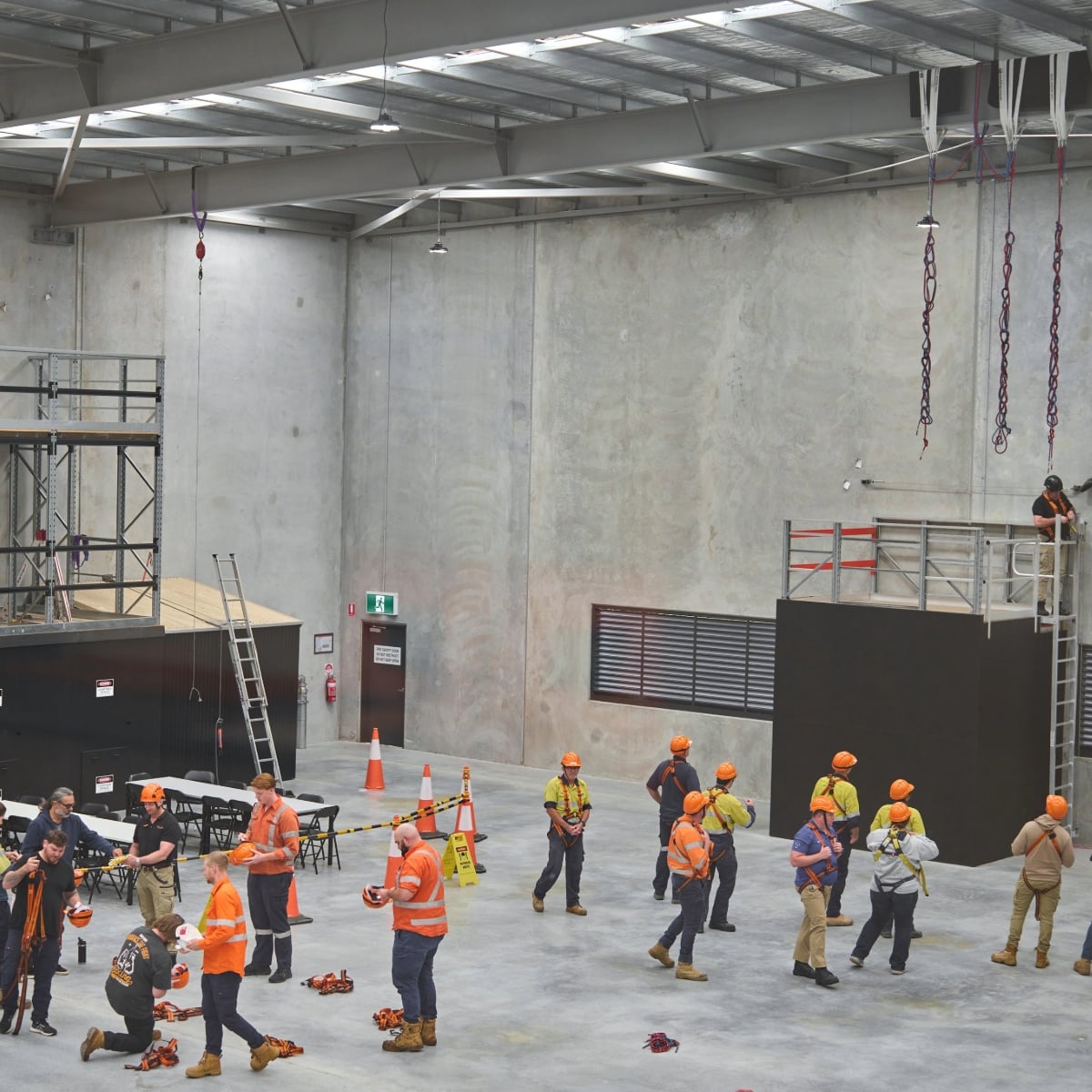
Our blended Confined Space Entry course offers participants a flexible training solution, combining the convenience of online self-paced learning with a half-day, in-person practical session held at our training centre in Perth.

This nationally accredited course is ideal for workers who need to gain confined space entry and gas testing certification with minimal time away from the job. The theory component can be completed at your own pace via our online learning platform and covers topics such as confined space hazards, WHS legislation, roles and responsibilities, and risk management.

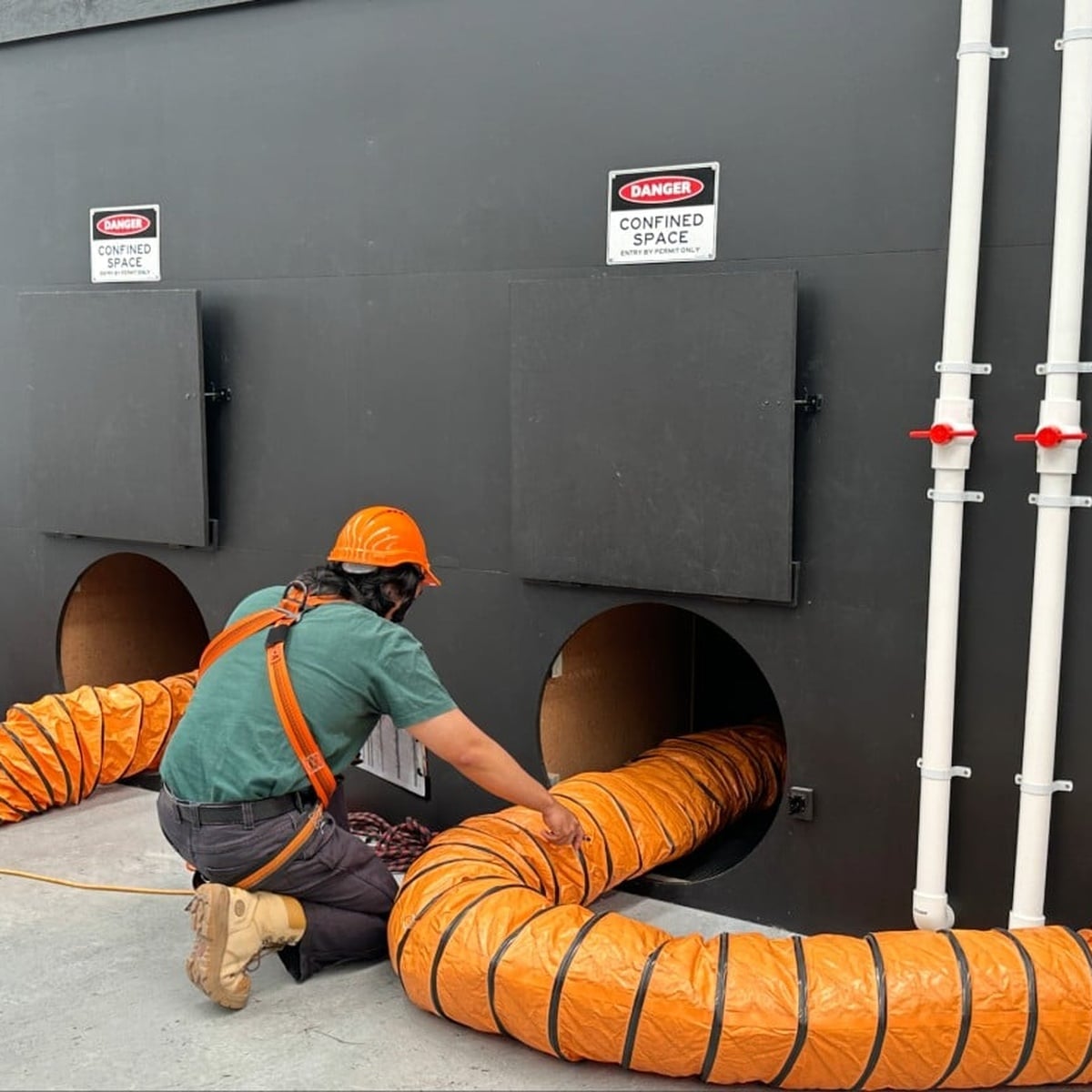
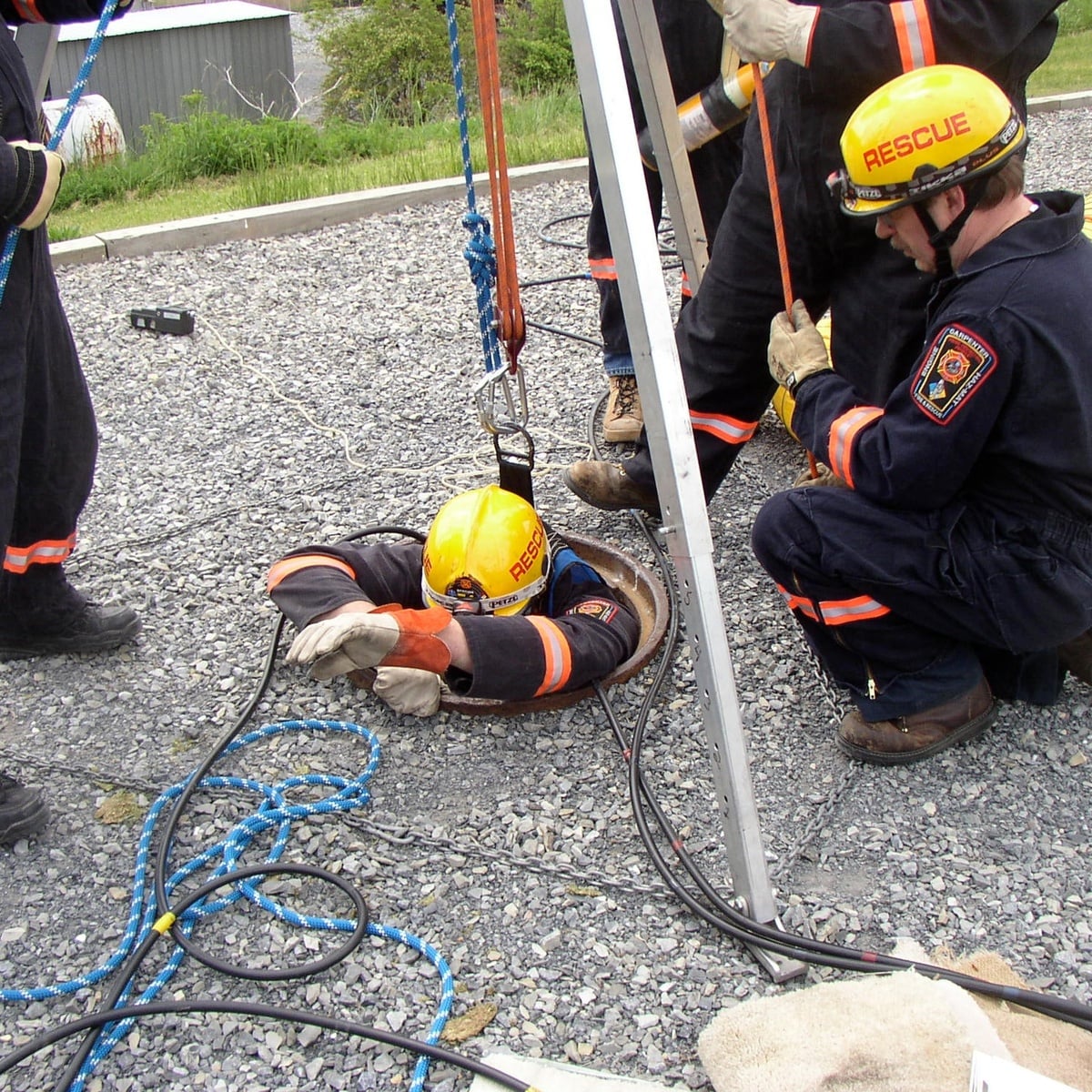
Once the theory is completed, participants attend a half-day, face-to-face practical session at one of our purpose-built training facilities, where they apply their knowledge in simulated workplace scenarios. These scenarios include completing and working under confined space permits, carrying out isolation procedures, using atmospheric monitoring equipment, applying fall protection controls, and implementing emergency response procedures.

THIS COURSE IS IDEAL FOR

  • Workers who will be performing work in a confined space
  • Safety Managers & supervisors who are responsible for confined space operations
  • Maintenance workers
  • Emergency Services Personnel
icon Pre-course e-Learning - 4-5 hours Practical training - 4-5 hours
icon WA
icon No prerequisites
Detailed Information About this Course
Expand All
LEARNING OUTCOMES

Students who are deemed competent will receive a Statement of Attainment recognised under the Australian Qualifications Framework. This certification is nationally recognised. The Statement is issued by Pinnacle Safety and Training (RTO 40496).

National units of competency

  • RIIWHS202E Enter and work in confined spaces
  • MSMWHS217 Gas test atmospheres
  • MSMPER200 Work in accordance with an issued permit

ASSESSMENT INFORMATION

Assessment for this course includes both theoretical and practical components to ensure participants are competent in all aspects of confined space entry and gas test atmospheres.

The online theory assessment confirms understanding of key concepts, such as WHS legislation, roles and responsibilities, hazard identification, risk assessment processes, confined space permits, and control measures.

The practical assessment takes place in a simulated training environment and requires participants to demonstrate safe entry and exit procedures for both horizontal and vertical confined space scenarios. This includes the correct use of permits, isolation procedures, atmospheric testing, fall protection equipment, communication protocols, and emergency response actions. Participants must show they can apply workplace procedures and safely perform confined space entry tasks under supervision.

COURSE SELECTION

This course is ideal for existing workers who have had exposure to working in and around confined spaces.

For those who are new to the workforce or whose roles do not involve regular confined space entry, we recommend completing our full-day face-to-face course.

To choose your preferred delivery method and view available dates, visit the Timetable page or click the Book Now button at the bottom of your screen.

PREREQUISITES & ENTRY REQUIREMENTS

Pre-course study

Participants must successfully complete the pre-course e-learning component before attending the face-to-face training session. 

Age requirements

Participants must be at least 15 years of age. Participants under the age of 18 must have consent from a parent or legal guardian to enrol and participate in this course. Consent will be obtained during the enrolment process, and a signed consent form must be submitted prior to the start of training. Refer to our FAQ for more information.

Language, Literacy, Numeracy and Digital skills (LLND)

Participants are required to have at least a Year 10 level of numeracy, literacy and communication skills and be able to read and write in English. This course requires a basic level of computer literacy to navigate the online learning system and complete required activities

RESOURCES

To complete this course, participants require:

  • A desktop or laptop computer
  • Internet browser (Chrome recommended)
  • Reliable internet connection
  • Ability to play sound
  • PDF reader

Smartphones and tablets are not supported due to compatibility issues with some applications. Refer to our FAQ for more information.

RECOGNITION OF PRIOR LEARNING (RPL) & CREDIT TRANSFERS

Recognition of Prior Learning

Pinnacle Safety and Training does not offer Recognition of Prior Learning (RPL) for this course. Due to the duration and cost of this short course, RPL assessment would have limited value to participants.

Credit Transfer

Pinnacle Safety and Training offers Credit Transfers for this training product.  A Credit Transfer is granted where the previously attained unit of competency has been achieved. After enrolment, participants are eligible to submit a Credit Transfer application.

It is important to note that while the unit/s of competency are eligible for Credit Transfer, you may be required to resit the training and assessment to meet industry or legislative requirements

COURSE WORKLOAD

This course requires participants to complete the theoretical learning and assessment prior to attending the face-to-face practical portion of the course. Participants need to ensure that they allow sufficient time in a quiet, focused study environment to fully absorb the content and complete the assessment tasks

FAQs
Expand All
What defines a confined space?

According to the Safe Work Australia Code of Practice, a “confined space” means an enclosed or partially enclosed space that:

  • is not designed or intended primarily to be occupied by a person; and
  • is, or is designed or intended to be, at normal atmospheric pressure while any person is in the space; and
  • is or is likely to be a risk to health and safety from:
    • an atmosphere that does not have a safe oxygen level, or
    • contaminants, including airborne gases, vapours and dusts, that may cause injury from fire or explosion, or
    • harmful concentrations of any airborne contaminants, or
    • Engulfment.

What are some examples of a confined space?

  • Storage tanks
  • Tank cars
  • Process vessels
  • Pressure vessels
  • Boilers
  • Silos and other tank-like compartments
  • Pits and degreasers
  • Pipes
  • Sewers
  • Sewer pump stations including wet and dry wells, shafts and ducts
  • Shipboard spaces entered through small hatchways or access points,