

close

FACE TO FACE DELIVERY OVERVIEW - QLD/NSW/VIC

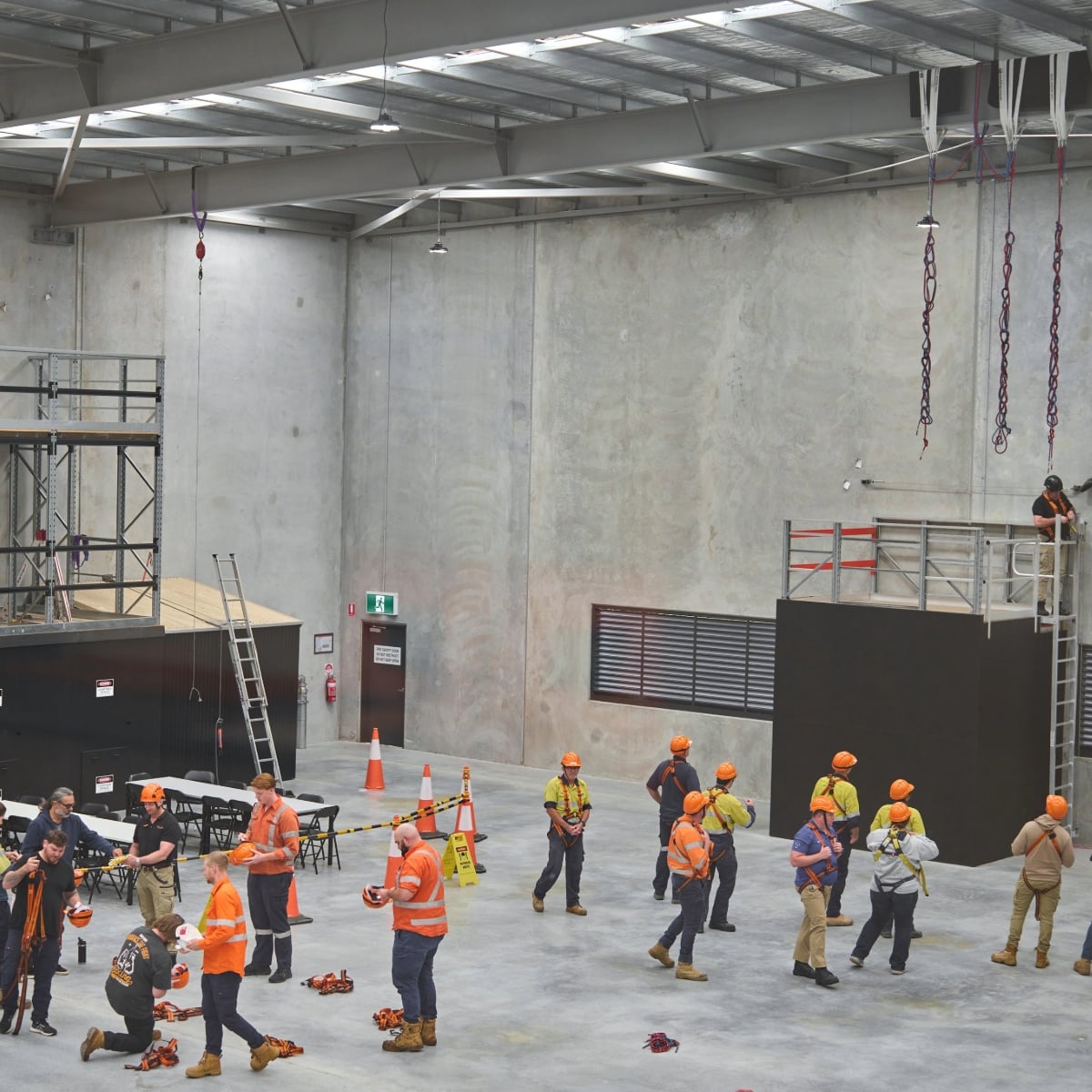
Delivered face-to-face at our training facilities in Brisbane, Gold Coast, Sydney, and Melbourne, our nationally accredited Confined Space Entry course is facilitated by experienced trainers and combines interactive classroom learning with practical, hands-on scenarios that reflect real workplace conditions.

Participants will learn how to identify confined spaces, assess associated risks, and apply effective control measures, with a focus on legislative requirements, roles and responsibilities, hazard identification, risk assessment, and the application of the hierarchy of controls.

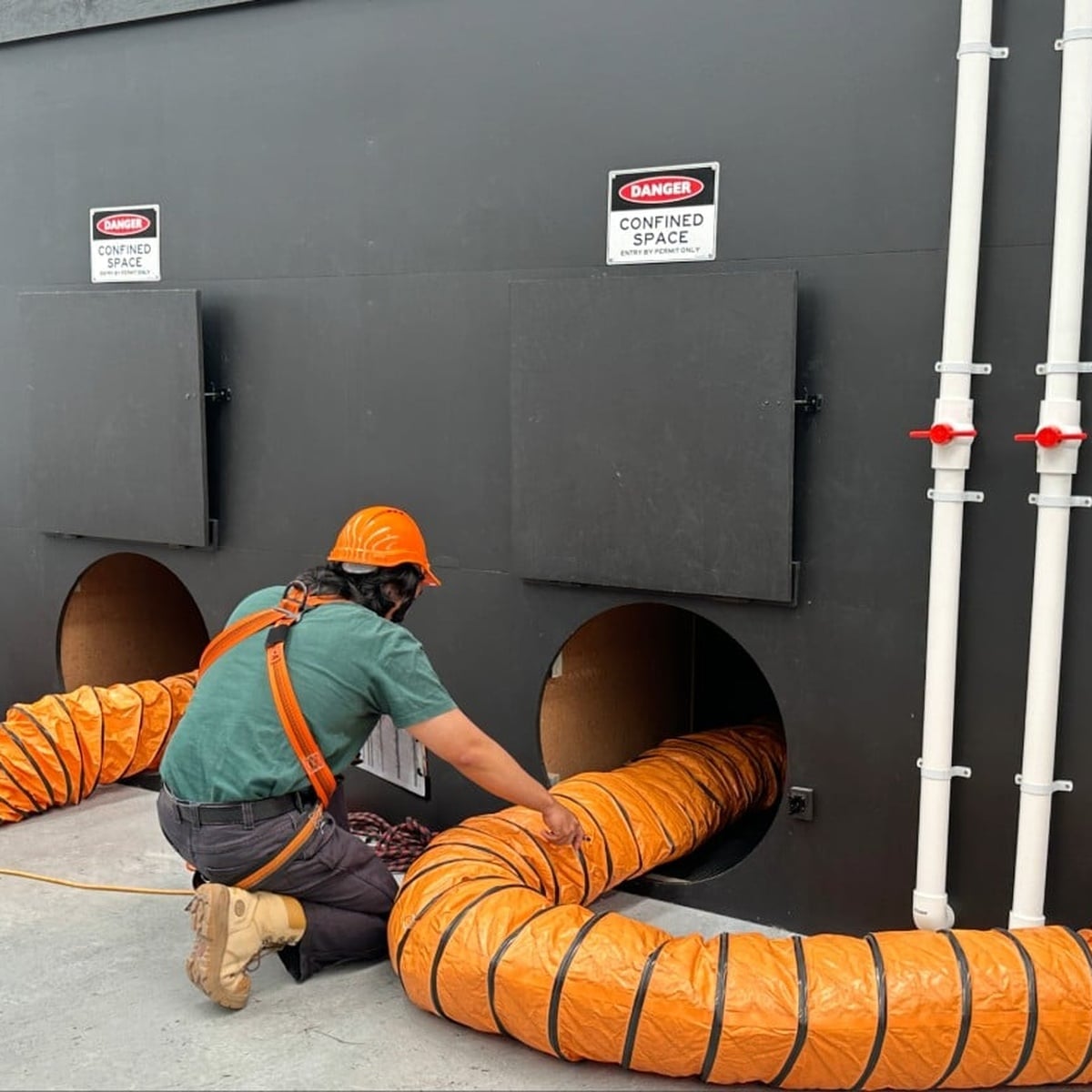
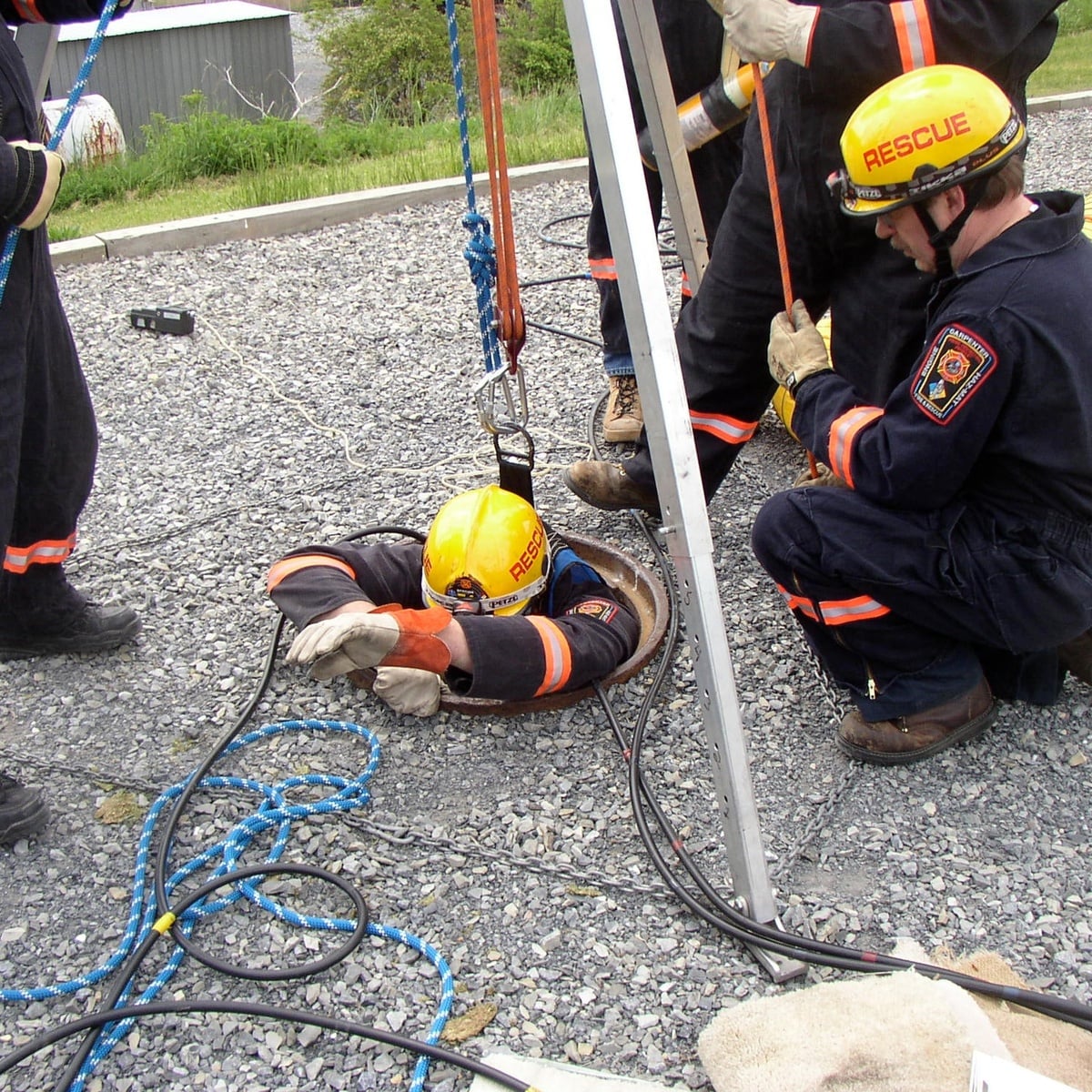
During both horizontal and vertical confined space entry activities, participants will learn to complete and work under confined space permits, carry out isolation procedures, use atmospheric monitoring equipment, apply fall protection controls, and implement emergency response procedures.

THIS COURSE IS IDEAL FOR

  • Workers who will be performing work in a confined space
  • Safety Managers & supervisors who are responsible for confined space operations
  • Maintenance workers
  • Emergency Services Personnel
icon 1 Day
icon QLD, NSW, VIC
icon No prerequisites
Detailed Information About this Course
Expand All
LEARNING OUTCOMES

Students who are deemed competent will receive a Statement of Attainment recognised under the Australian Qualifications Framework. This certification is nationally recognised. The Statement is issued by Pinnacle Safety and Training (RTO 40496).

National units of competency

  • RIIWHS202E - Enter and work in confined spaces
  • MSMPER205 - Enter confined space
  • MSMPER200 - Work in accordance with an issued permit

ASSESSMENT INFORMATION

Assessment for this course includes both theoretical and practical components to ensure participants are competent in all aspects of confined space entry.

The theory assessment verifies understanding of key concepts such as WHS legislation, roles and responsibilities, hazard identification, risk assessment processes, confined space permits, and control measures.

The practical assessment is conducted in a simulated training environment, where participants must demonstrate safe entry and exit procedures for both horizontal and vertical confined space scenarios. This includes proper use of permits, isolation procedures, atmospheric testing, fall protection equipment, communication protocols, and emergency response actions.

To be deemed competent, participants must demonstrate they can apply workplace procedures and safely perform confined space entry tasks under supervision.

COURSE SELECTION

Assessment for this course includes both theoretical and practical components to ensure participants are competent in all aspects of confined space entry.

The theory assessment verifies understanding of key concepts such as WHS legislation, roles and responsibilities, hazard identification, risk assessment processes, confined space permits, and control measures.

The practical assessment is conducted in a simulated training environment, where participants must demonstrate safe entry and exit procedures for both horizontal and vertical confined space scenarios. This includes proper use of permits, isolation procedures, atmospheric testing, fall protection equipment, communication protocols, and emergency response actions.

To be deemed competent, participants must demonstrate they can apply workplace procedures and safely perform confined space entry tasks under supervision.

PREREQUISITES & ENTRY REQUIREMENTS

Age requirements

Participants must be at least 15 years of age. Participants under the age of 18 must have consent from a parent or legal guardian to enrol and participate in this course. Consent will be obtained during the enrolment process, and a signed consent form must be submitted prior to the start of training. Refer to our FAQ for more information.

Language, Literacy and Numeracy skills (LLN)

Participants are required to have at least a Year 10 level of numeracy, literacy and communication skills and be able to read and write in English. 

RESOURCES

Pinnacle Safety and Training supplies all required learning materials and safety equipment for this course.

RECOGNITION OF PRIOR LEARNING (RPL) & CREDIT TRANSFERS

Recognition of Prior Learning

Pinnacle Safety and Training does not offer Recognition of Prior Learning (RPL) for this course. Due to the duration and cost of this short course, RPL assessment would have limited value to participants.

Credit Transfer

Pinnacle Safety and Training offers Credit Transfers for this training product.  A Credit Transfer is granted where the previously attained unit of competency has been achieved. After enrolment, participants are eligible to submit a Credit Transfer application.

It is important to note that while the unit of competency is eligible for Credit Transfer, you may be required to resit the training and assessment to meet industry or legislative requirements.

COURSE WORKLOAD

This course and all of the assessments are able to be completed within the 1 day course duration. There is no requirement for participants to complete any additional study or assessment outside of the course duration.

FAQs
Expand All
What defines a confined space?

According to the Safe Work Australia Code of Practice, a “confined space” means an enclosed or partially enclosed space that:

  • is not designed or intended primarily to be occupied by a person; and
  • is, or is designed or intended to be, at normal atmospheric pressure while any person is in the space; and
  • is or is likely to be a risk to health and safety from:
    • an atmosphere that does not have a safe oxygen level, or
    • contaminants, including airborne gases, vapours and dusts, that may cause injury from fire or explosion, or
    • harmful concentrations of any airborne contaminants, or
    • Engulfment.

What are some examples of a confined space?

  • Storage tanks
  • Tank cars
  • Process vessels
  • Pressure vessels
  • Boilers
  • Silos and other tank-like compartments
  • Pits and degreasers
  • Pipes
  • Sewers
  • Sewer pump stations including wet and dry wells, shafts and ducts
  • Shipboard spaces entered through small hatchways or access points, cargo tanks, cellular double bottom tanks, duct keels, ballast or oil tanks and void spaces