
close

FACE TO FACE DELIVERY OVERVIEW - NSW

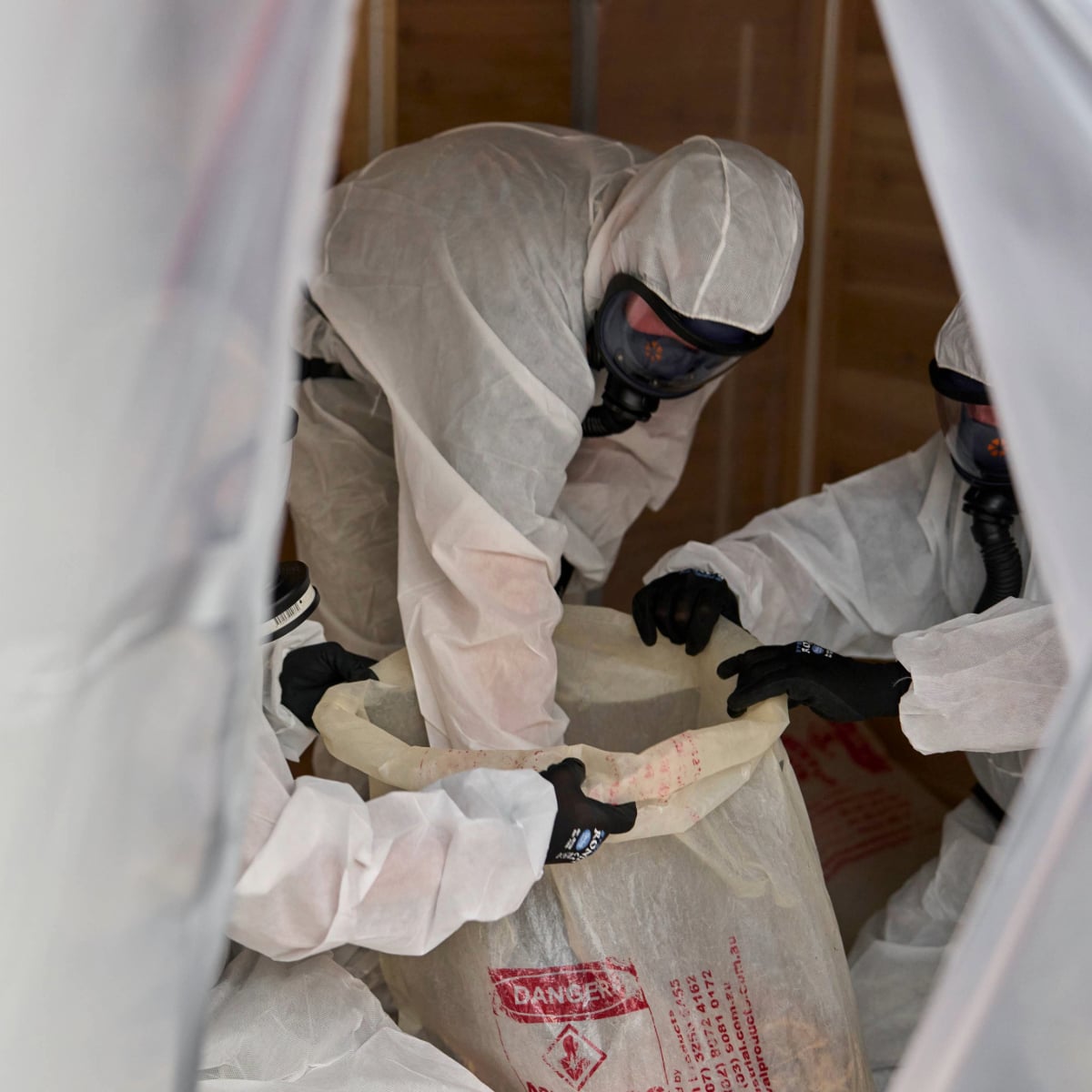
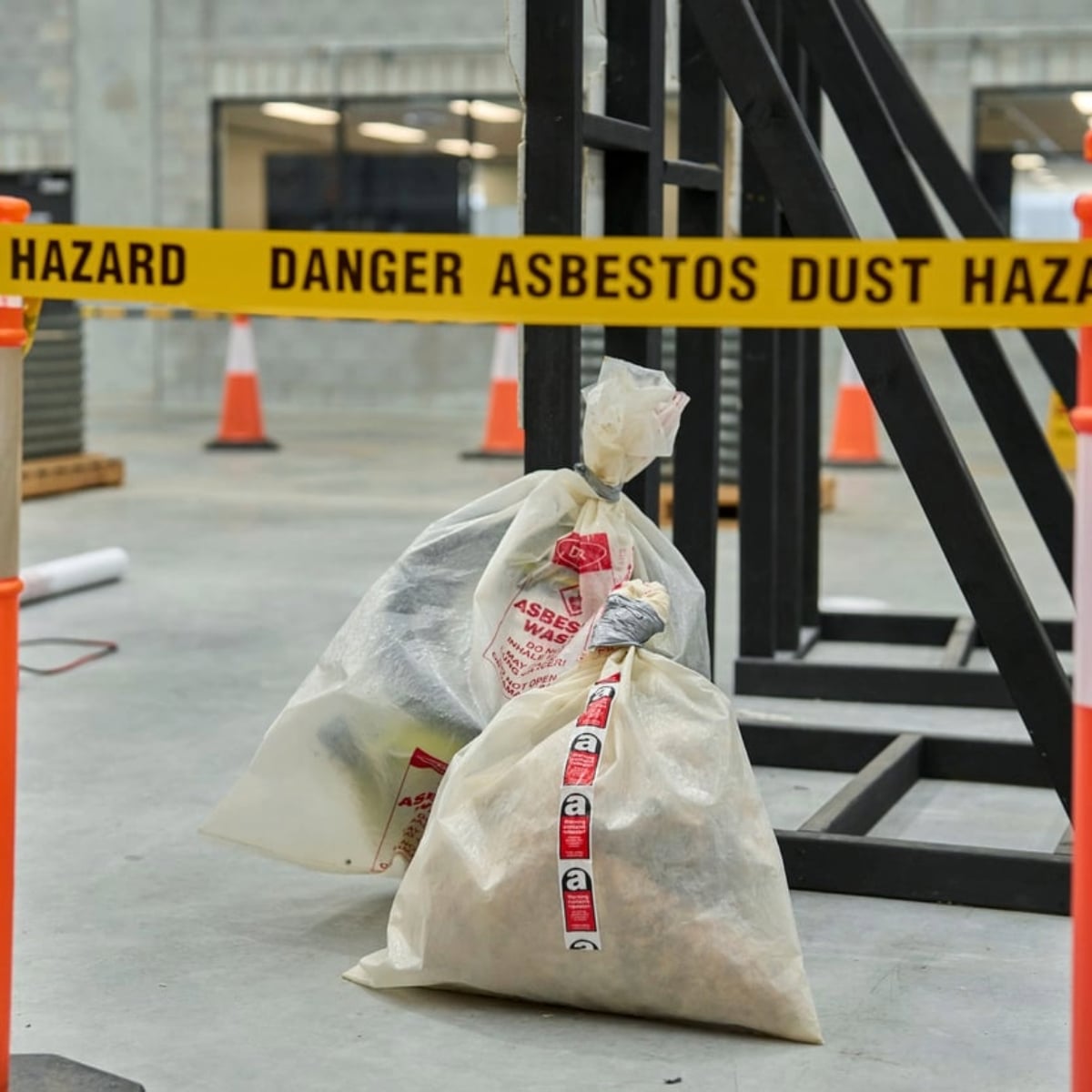
This Remove Non-Friable Asbestos and Remove Friable Asbestos combined course provides participants with the practical skills and knowledge required to safely remove both friable and non-friable asbestos-containing material (ACM) and asbestos-containing dust and debris (ACD). The course covers the full removal process, including preparation of the work area, construction of enclosures for friable asbestos removal, and safe removal techniques for both types of ACM. It also includes air and health monitoring requirements, decontamination procedures for workers and equipment, and correct methods for packaging, disposal, and site clean-up.

Participants will develop a clear understanding of legislative and licensing obligations relevant to asbestos removal, ensuring compliance with applicable state and national regulations. Key topics include the health risks of asbestos exposure, planning and risk assessment processes, the use of asbestos registers and management plans, safe work practices, and accurate completion of required documentation in accordance with regulatory standards.

This certification enables commercial operators to apply to the relevant State Authority for both a Class B (non-friable) and Class A (friable) asbestos removal licence.

Pinnacle Safety and Training are a SafeWork NSW Approved Training Provider (#800302) for CPCCDE3014 Remove non-friable asbestos and CPCCDE3015 Remove friable asbestos. 

THE COURSE IS IDEAL FOR

  • Aspiring asbestos removal workers.
  • Construction, demolition, and maintenance personnel.
  • Supervisors and managers overseeing asbestos removal work.
icon 4 Days
icon Silverwater
icon Prerequisites required
Detailed Information About this Course
Expand All
LEARNING OUTCOMES

Students who are deemed competent will receive a Statement of Attainment recognised under the Australian Qualifications Framework. This certification is nationally recognised. The Statement is issued by Pinnacle Safety and Training (RTO 40496).

National units of competency

CPCCDE3014 Remove non-friable asbestos

CPCCDE3015 Remove friable asbestos

ASSESSMENT INFORMATION

Assessment for this course is conducted in two stages to reflect the progressive skill development required for safe asbestos removal. Participants will first complete a theory assessment to demonstrate their understanding of legislative requirements, health risks, and safe work practices. This is followed by a practical assessment focused on the removal of non-friable asbestos-containing material (ACM), including site preparation, use of appropriate personal protective equipment (PPE), safe removal techniques, decontamination procedures, and disposal methods.

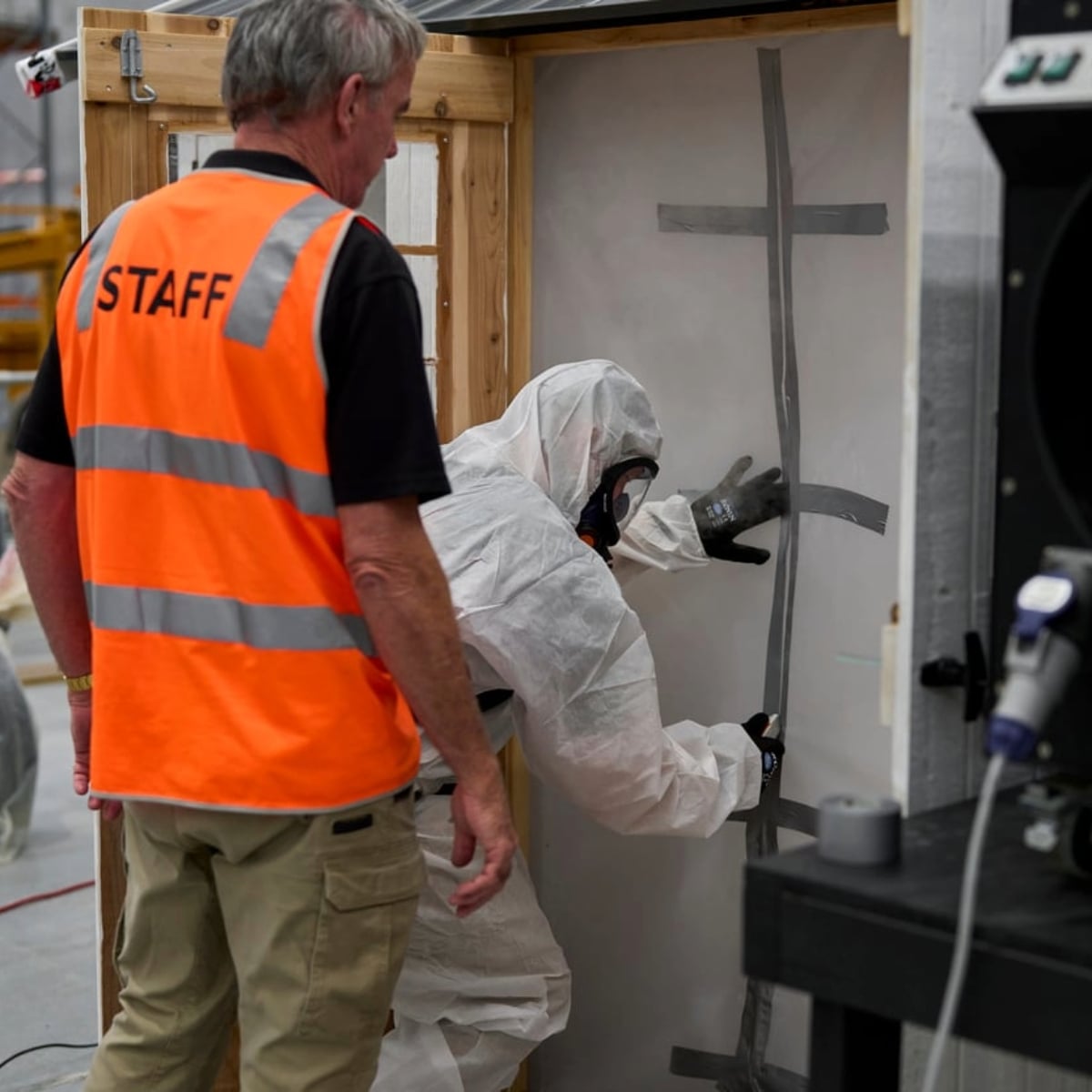
Once competency in non-friable asbestos removal is demonstrated, participants will progress to the more advanced friable asbestos removal. This includes the setup and testing of full enclosures, implementation of air and health monitoring, detailed removal procedures, thorough decontamination of workers and equipment, and the correct packaging and disposal of friable asbestos waste. All assessments are conducted in a simulated work environment to reflect real-world conditions and regulatory requirements.

PREREQUISITES & ENTRY REQUIREMENTS

Prerequisites

Participants must hold:

  • CPCWHS1001 Prepare to work safely in the construction industry (or equivalent), commonly known as a White Card.

If you do not provide this by the business day prior to your course commencement, your enrolment will be cancelled, and you will not be permitted entry to the course. If this occurs, our terms and conditions will apply and therefore your course fee will not be refunded nor held in credit.

If you need to obtain or renew your White Card, this can be done with us at a discounted rate prior to your training day - see our White Card course here.

NOTE: If your White Card was issued prior to 11 May 2009, we cannot recognise this as a valid prerequisite as it does not prove that you were assessed against the correct unit of competency.

Evidence of Identity (EOI) Requirements

To meet SafeWork NSW requirements, all participants must provide original Evidence of Identity (EOI) documents totalling at least 100 points. These documents must show the following:

  • A photograph
  • Date of birth (participants must be at least 18 years of age)
  • Signature
  • Current residential address

Click here to view document types and their associated points. EOI documents must be presented to the trainer on the first day of training. Failure to provide the required documents will result in exclusion from the course, and rebooking fees will apply.

Age requirements

Participants must be at least 15 years of age. Participants under the age of 18 must have consent from a parent or legal guardian to enrol and participate in this course. Consent will be obtained during the enrolment process, and a signed consent form must be submitted prior to the start of training. Refer to our FAQ for more information.

Language, Literacy and Numeracy skills (LLN)

Participants are required to have at least a Year 10 level of numeracy, literacy and communication skills and be able to read and write in English. 

Physical Fitness

This training is realistic, somewhat physical and may involve working in hot or cold environments whilst suited up in PPE. Participants must have a suitable level of fitness and be willing and capable of moving about in a small enclosed room, and wear a face mask.

RESOURCES

Clothing/PPE requirements

  • Participants must wear long pants and closed shoes (high-vis and steel-caps not required, but are welcome).
  • This course requires practice in wearing correct, full PPE and undertaking personal decontamination techniques; therefore, participants must be prepared to wear shorts and a T-shirt under coveralls.
  • Participants must bring additional clothing - shorts, singlet top/T-shirt and a pair of thongs (flip-flops) for the practical activity.

RECOGNITION OF PRIOR LEARNING (RPL) & CREDIT TRANSFERS

Recognition of Prior Learning

Pinnacle Safety and Training does not offer Recognition of Prior Learning (RPL) for this course. Due to the duration and cost of this short course, RPL assessment would have limited value to participants.

Credit Transfer

Pinnacle Safety and Training offers Credit Transfers for this training product.  A Credit Transfer is granted where the previously attained unit of competency has been achieved. After enrolment, participants are eligible to submit a Credit Transfer application.

COURSE WORKLOAD

All training and assessment requirements are completed within the course duration. Participants are not required to undertake any additional study or assessment outside of the scheduled course time.

ADDITIONAL INFORMATION

Asbestos-related disease has killed thousands of Australians. Australia and the UK have the highest rates of asbestos-related death in the world. Asbestos is highly toxic, causing a range of lung diseases that are slow to develop but in many cases deadly. While its use is now completely prohibited, there is a growing need to safely dispose of asbestos and asbestos containing material (ACM).

Friable asbestos materials are more dangerous than non-friable asbestos and include asbestos that is in a powder form, crumbled, pulverised or reduced to powder (can crumble easily with hand pressure).

Non-Friable asbestos (also known as ‘bonded’ or ‘Class B’) was commonly used in building materials in Australia up the late 1980s. Bonded asbestos was used extensively for cladding, roofs and fences as well as backing boards in wet areas like kitchens and bathrooms. Friable asbestos (also known as ‘Class A’ asbestos) materials are more dangerous than non-friable asbestos and include asbestos that is in a powder form, crumbled, pulverised or reduced to powder (can crumble easily with hand pressure). Friable asbestos was used mainly for insulation (see ‘Mr Fluffy’).

Please note: Pinnacle Safety and Training will not use any asbestos containing material during this training program, however realistic simulation is used.

When friable asbestos-containing materials (ACM) are present, or even suspected of being present in the workplace, only qualified personnel are permitted to safely identify, manage or remove it. Any worker removing friable ACM or ACD must be appropriately trained, as outlined in the Work Health & Safety Regulation 2011 and the Code of Practice for the Safe Removal of Asbestos.

While workers who remove less than 10m² of non-friable asbestos have no legal obligation to undertake training, whenever friable asbestos-containing materials (ACM) are present, or even suspected of being present in the workplace, only qualified personnel are permitted to safely identify, manage or remove it. Any worker removing friable ACM or ACD must be appropriately trained, as outlined in the Work Health & Safety Regulation 2011 and the Code of Practice for the Safe Removal of Asbestos.

This course is a legal requirement in most states and territories for workers who need to remove friable asbestos. Refer to your State/Territory Authority for more information.